JulieK2 via Shutterstock.com
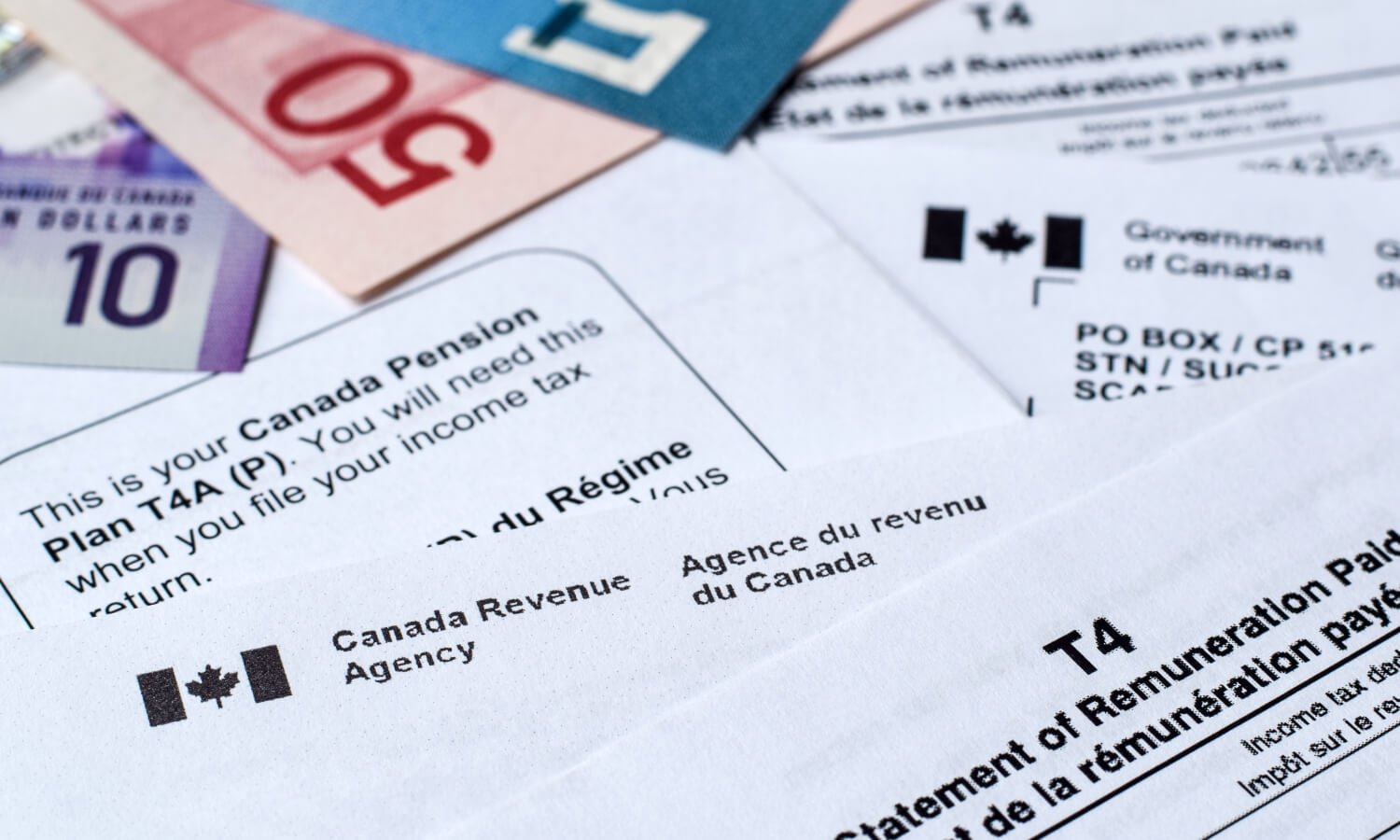
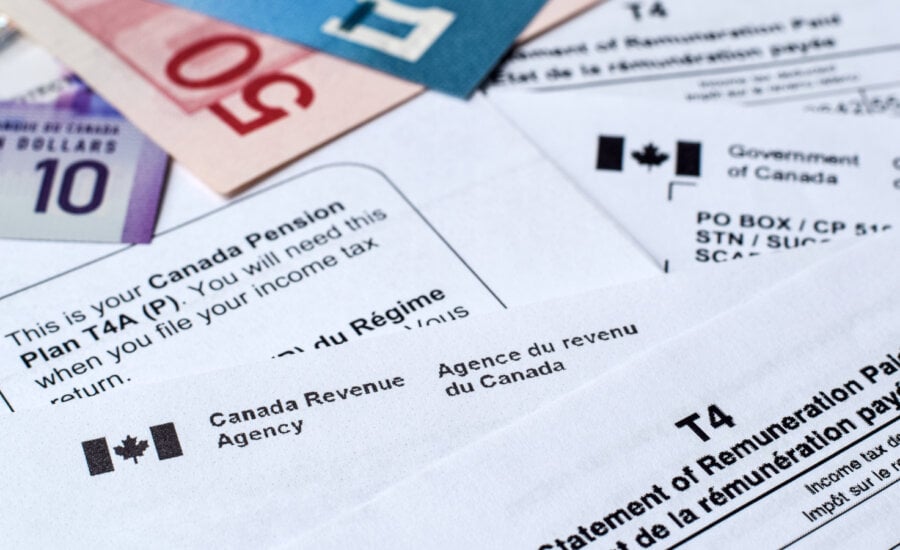
If you meet the eligibility criteria, the Canada Revenue Agency (CRA) may soon do most of your tax return 2026 for you. But you’ll have to act soon to have a chance.
The CRA shared details of its two automatic tax filing measures in Budget 2025. This is part of the campaign.
Canadians who have a lower income and a simple tax situation are invited to pre-fill their tax return by Oct. 31, 2026. Only one million eligible people will get an invitation starting March 2027 to review and file a pre-filled tax return for 2026 in their CRA account.
The service will expand to up to 5.5 million in March 2029.
What is the CRA’s pre-filled tax return?
On its website, the CRA calls its pre-filled tax return campaign a free service that “uses information the CRA already has on file to pre-fill a return for you.”
If you are invited, you must sign in to your CRA account, check the pre-filled details, add anything missing, and then accept and submit the return.
Earlier in the summer, the CRA shared in a consultation report that the pre-filled returns are expected to be due by April 30, 2027, giving invitees at least six weeks to review them.
This is different from “deemed filing,” a pilot in which the CRA would file a return on someone’s behalf. That is still in the proposal stage and needs parliamentary approval.
Am I eligible for the pre-filled tax return 2026 invitation?
According to the CRA, meeting the criteria doesn’t guarantee an invitation, but you may be invited if you have:
- Filed a 2025 tax return by October 31, 2026
- A lower income and a simple, non-taxable situation (you don’t owe tax)
- A CRA account
- Your correspondence preference set to “electronic mail” in your CRA account
People are urged to update their information and correspondence preference by Oct. 31 if they don’t want to miss their chance at being invited.
The CRA hasn’t published a specific income cutoff for the program. However, according to Statistics Canada’s low‑income measures thresholds (LIM-AT), “when the unadjusted after‑tax income of a household pertaining to a person falls below the threshold applicable to the person based on household size, the person is considered to be in low income.”
“Low‑income status is typically presented for persons but, since the LIM‑AT threshold and household income are unique and shared by all members within each household, low‑income status based on LIM‑AT can also be reported for households.”
How to get ready before Oct. 31
- Use the CRA’s sign-in page, or register for a CRA account if you don’t have one yet.
- Check that your address and other details are current.
- In My Account, go to your profile, edit your notification settings, confirm your email address, choose electronic mail and accept the terms.
- Ensure you have filed your 2025 return. The CRA offers several free options for people with lower incomes:
- SimpleFile, which works online, by phone or on paper
- Free tax clinics, where volunteers prepare your return
- The paper-based Indigenous credit and benefit short return
Should I file if I don’t owe anything?
Many federal benefits only flow if you file a return every year.
The CRA says federal payments such as the Canada Child Benefit (CCB) and the Canada Groceries and Essentials Benefit (CGEB), GST/HST credit, and eligibility for provincial and territorial programs all depend on yearly filing.
A pre-filled return makes it easier for people who don’t owe tax to keep getting the government money they’re owed.
Get free MoneySense financial tips, news & advice in your inbox.
Read more about taxes:
- Ways to experience tax freedom
- Newly employed? Know your tax deductions
- What is the Quick Method of Accounting for GST?
- 5 things to check in your CRA My Account

About MoneySense Editors
MoneySense editors and journalists work closely with leading personal finance experts in Canada. Since 1999, our award-winning magazine has helped Canadians navigate money matters.
Related Articles

Higher gas prices drove inflation up to 3.1% in September: StatCan
Find out the latest inflation numbers related to necessities like food and housing in Canada.
Higher gas prices drove inflation up to 3.1% in September: StatCan

‘You’re right’ is the costliest thing AI can say about money
MoneySense writer Vickram Agarwal shares surprising ways responsibly using AI has helped him make day-to-day money decisions.
‘You’re right’ is the costliest thing AI can say about money

CCB payment dates 2026: October child tax benefit arriving soon
Find the 2026 CCB payment dates, maximum benefit amounts, income cutoffs, and eligibility rules for the Canada Child Benefit….
CCB payment dates 2026: October child tax benefit arriving soon

Check your account for the final ACWB payment of 2026
The year’s last ACWB payment is going out on Friday, October 9, and eligible Canadians should keep an eye…
Veterans Affairs Canada to send out payments on Monday
Some Canadians will receive a payment from Veterans Affairs Canada (VAC) on Monday, September 28, 2026. The governmental department…

Ontario has new rental rules: What renters and landlords should know
Ontario has new rental rules around eviction, late payments, and more. The rules kicked in on Sept. 21.
Ontario has new rental rules: What renters and landlords should know

Canada Child Benefit September payments dropping early
Canada’s new benefit year began in July, increasing several benefit amounts by roughly 2%.

Bigger Alberta Child and Family Benefit payments going out soon
The third Alberta Child and Family Benefit payment of 2026 will be bigger than the last, with July ringing…
Bigger Alberta Child and Family Benefit payments going out soon

Canada Child Benefit August payments drop on Thursday: Here’s the schedule for the rest of 2026
Canada’s new benefit year began in July, increasing several benefit amounts by roughly 2%.
Canada Child Benefit August payments drop on Thursday: Here’s the schedule for the rest of 2026